The Evolution of Travel PR Communication Channels: Lessons on Building Trust and Telling Great Stories from PRSA Travel & Tourism 2026
If there’s one thing we love about the travel industry, it’s that trends move almost as fast as a journalist’s deadline. What does it actually take to earn trust and attention in travel PR today – and which channels still move the needle?
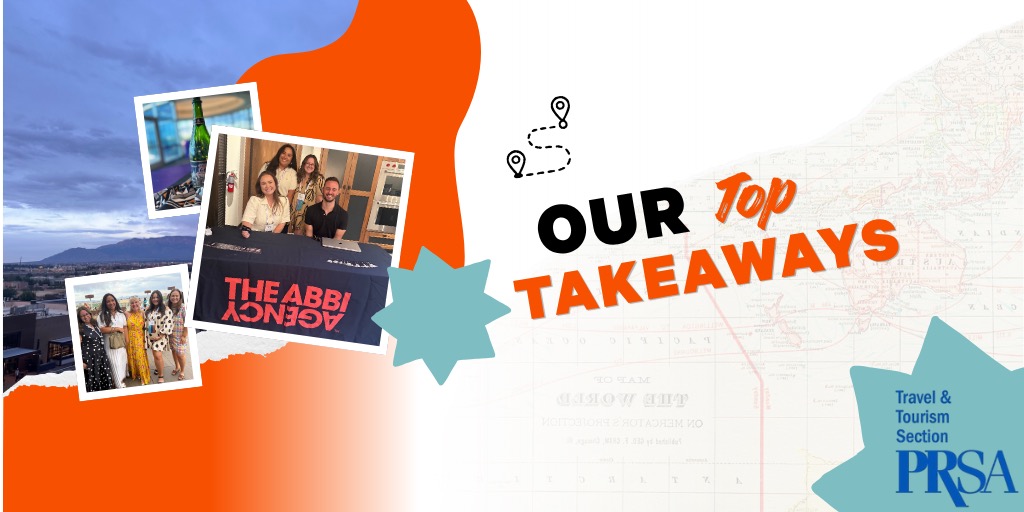
A few weeks ago, our travel and tourism peers – communications professionals, destination marketers, journalists, and storytellers from across the country – gathered in a place we know well: Albuquerque, New Mexico, for the PRSA Travel & Tourism Conference. Against a backdrop of hot air balloons, red and green chile (Christmas, for those unfamiliar), and the soft pink glow of the Sandia Mountains, we were proud to welcome our industry colleagues to the Land of Enchantment.
Inside the conference rooms at Hotel Albuquerque, however, the conversations focused on something much bigger: the future of travel communications.
From navigating misinformation and AI to building meaningful brand partnerships and reaching audiences through emerging media channels, one theme surfaced again and again: the fundamentals still matter. Great storytelling. Authentic relationships. Understanding your audience. Finding the human angle.
The platforms may change. The media landscape may shift. But the destinations and brands that succeed will be the ones that create genuine connections and tell stories worth sharing.
Here are a few of the ideas, insights, and conversations that stuck with our travel & tourism PR team.
Trust is the New Currency
In a world of AI-generated content, fake imagery, and endless information in our feeds, travelers are increasingly questioning what they can trust. That makes credibility one of the most valuable assets a destination can have. The takeaway was simple: don’t wait for misinformation to become a crisis – build trust every day through transparent, authentic communications. When uncertainty arises, trust becomes your strongest defense.
Travel Stories Are Meant to Be Heard
While travel marketing is often dominated by strikingly aesthetic visuals, one of the most compelling talks centered around the power of audio storytelling. Podcasts create something increasingly difficult to earn in today’s media landscape: attention. By giving travelers the chance to hear directly from the chefs, artists, guides, and locals who bring a destination to life, audio creates a level of authenticity and connection that few other channels can match. As travelers continue seeking deeper, more meaningful experiences, destinations should be thinking beyond what people can see – and investing in stories they can hear. At The Abbi Agency, we’ve already seen the value of podcast placements for our destination clients and left the conference inspired to explore even more opportunities to leverage audio as a tool for deeper, more impactful storytelling.


Brand Partnerships Create New Pathways to Travel
Travel brands are no longer competing solely with other destinations for attention. They’re competing with the wellness app someone opens before bed, the fashion brand filling their social feed, and the snack aisle they wander through before a weekend road trip. One of the conference’s biggest takeaways was that cultural relevance has become just as important as brand awareness. The most effective partnerships aren’t transactional marketing exercises or logo-swapping opportunities; they’re rooted in shared audiences, behaviors and values. When New Mexico Tourism partnered with Chex Mix around Route 66 nostalgia or Visit Savannah collaborated with LoveShackFancy and Saks to tap into travelers’ aspirations around style, identity and experience, they weren’t simply promoting a destination — they were inserting themselves into conversations consumers were already having. In an era when attention is fragmented and travelers are overwhelmed with choices, the destinations that win won’t necessarily be the loudest. They’ll be the ones that show up in unexpected places with stories that feel authentic, timely, and impossible to ignore. After all, if a bag of Chex Mix can inspire wanderlust, maybe the future of destination marketing is a little less about billboards and a little more about meeting travelers where they already are.
Culture Is Not a Commodity
Some of the most powerful conversations weren’t about marketing. They were about responsibility and how PR pros tell the right kinds of stories about minority and Indigenous communities. As destinations work to tell more culturally inclusive stories, the strategy is shifting from representation to collaboration. That means moving beyond checking a diversity box and instead inviting the locals who know a place best to help shape how it’s shared. Whether Indigenous communities, historic multicultural neighborhoods, or ethnic enclaves that have shaped a city’s identity, the most compelling stories come directly from the people who live them – a coin termed “culture keepers.” DMOs and CVBs might invite culture keepers and cultural ambassadors directly into the conversation with media, such as attending events or out-of-market missions like IMM, and encourage them to spotlight the chefs, artists, faith leaders, historians, and community advocates who give a destination character. When destinations invest in relationships, invite culture keepers into the conversation, and approach cultural storytelling with respect, it leads to authentic, accurate, and meaningful experiences for travelers.
Editors Want the Big Three
Landing meaningful media coverage starts with understanding what editors are actually looking for. So, what are the big three things they’re looking for? Exclusivity, trends, and “why now”. Data is one of the strongest ways to deliver all three. Editors are drawn to information they can’t find anywhere else, so providing hotel booking trends, visitor spending insights, or other first-party data, especially when it’s backed by real travel trends or something timely on a national level, tells a more complete story.
The same goes for media experiences. Tailored press trip itineraries allow journalists to explore a destination through the lens of their specific audience and beat in a way that no one has before. That level of personalization creates opportunities for both exclusivity and stronger relationships.
Great Destinations Don’t Chase Trends. They Create Them.
One of the clearest themes throughout the conference was that the best destination stories don’t begin with a pitch. They begin with a broader conversation. Journalists are looking for stories that connect to cultural trends, traveler behaviors, and timely topics, whether that is wellness travel, culinary experiences, outdoor adventure, or sustainable tourism. The destinations earning the strongest coverage are not trying to fit into every trend. They understand what makes their communities unique and position those stories where they naturally belong. That means identifying the local people, businesses, and experiences that bring a larger trend to life, then connecting them to the audiences already interested in those topics. Instead of asking, “Why should someone visit?” the better question is, “Why is this destination part of a conversation people are already having?” When destinations lead with authentic stories instead of generic messaging, they do more than follow trends. They help shape them.
If we had to sum up the conference in a single sentence, it would be this:
The channels are changing, but the fundamentals are not.
The travel communications industry is navigating AI, evolving media consumption habits, shifting traveler expectations, and an increasingly crowded content landscape. Yet the strategies that continue to break through are remarkably familiar: strong storytelling, authentic relationships, audience-first thinking, and a willingness to adapt.
The destinations that will stand out won’t be the ones chasing every new trend. They’ll be the ones who understand who they are, tell stories with purpose, and build trust with travelers along the way.
Because at the end of the day, the tools may evolve – but great storytelling never goes out of style.
For a deeper dive into how today’s travelers think, plan, and make decisions, explore our latest insights in The Abbi Agency’s Travelers’ Mindset e-book.